Wednesday, April 19, 2006

Most read posts - Week ending April 21


Each week we track the most popular posts so that we can get an idea of what you like to read about. Here are the top posts from the last seven days.

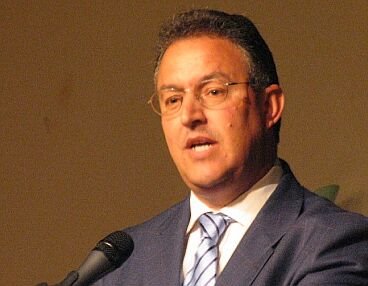
  • "Lose the burka or lose the dole" - Dutch Alderman

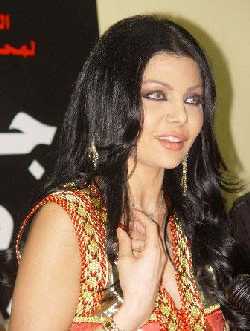
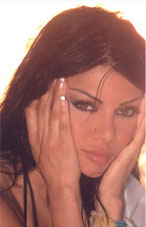
  • The fascination with Haifa Wahbi

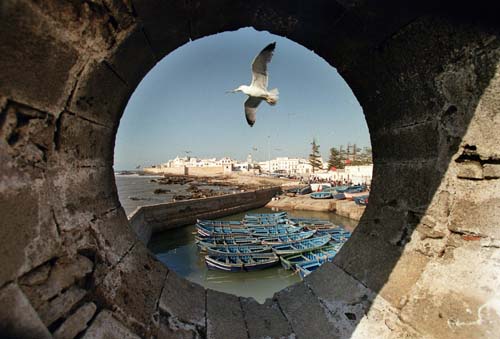
  • Morocco at a glance - A quick tour.

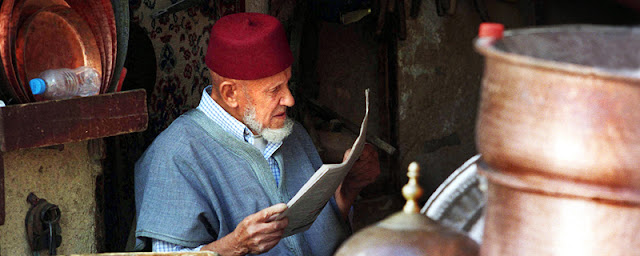
  • Walking the Fez Medina

  • Fes Festival of World Sacred Music Program

  • Black Widow - A novel on the aftermath of Beslan.


  • No blog roundup from Farah Kinani this week, but rather an interview with Moroccan blogger, Manal (pictured left) Manal; the bold and the beautiful
    And our favourite blog this week: Cat in Rabat.


    Tags:

    What is the fascination with Haifa Wahbi?


    Sometime ago, when we first posted about the supposed "ban" on Haifa Wahbi performing in Morocco, we were inundated with emails from people supporting her. Then when the "ban" was overturned and we commented on it, we had emails from those who thought she was the embodiment of "sin" and should be thrown out of the country. Obviously the Lebanese singer is very popular and I will try and find a cd at some stage to see what all the fuss is about. Hopefully it is not simply that she has a pretty face.


    So, for all of you for whom too much Haifa Wahbi is never enough, here is the latest news.

    Haifa has announced that she will not return to her former production company ‘Rotana,’ and that she will instead finance the production of her upcoming album.

    She explained the decision as a need to try something new away from the guidelines of production companies. Haifa added that her current situation, with her rising popularity, does not allow for her music to be the property of one single company that forces exclusivity. She stated that she intends on distributing her music to a variety of music channels.

    However, if you are hanging out for the release of Haifa’s upcoming album, you will have a bit of a wait as it will be postponed due to her first leading role in a major motion picture.

    Lebanese director Randa Alshihal revealed that Haifa plays the role of a fight club owner who becomes involved with a French boxer named Ibrahim Saloum, of Arab origin. She gets drawn into a scheme crafted by the boxer and his friends to kidnap three of Ibrahim’s rivals. Sounds .... um... interesting?

    The film, produced by Tunisian Tareq Bin Amar features a number of musical and dance performances. The director is currently negotiating with American star Harvey Kettle to possibly join the cast. Filming of the scenes is scheduled to begin in April on location in Tunisia.

    Haifa recently filmed the new music video for the song ‘Rajab’ with director Hadi Al Bajouri. In the clip Haifa plays the role of a gypsy who ends up at a coffee house near the sea packed with fishermen where she meets a man named ‘Rajab.’ She seeks Rajab’s assistance to win the love of his handsome friend. Haifa Wahbi obviously has an eye for a complex storyline.

    In the midst of all this hectic work Haifa, in front of the cameras of the Moroccan media, gave blood samples for a test for HIV. The test was given by the African Organization to fight Aids in Rabat. Haifa was tested in front of the public to create awareness of the seriousness of the disease and how people must be tested.

    Haifa’s business manager revealed that Haifa was not banned from performing in Morocco; the singer was given permission to enter and is currently there. It was rumored that Moroccan officials rejected a request by Haifa to hold a charity concert for HIV research.

    So I hope that clears up the mystery. I know how you were just dying to know.

    Our earlier stories:

  • Haifa Wahbi in Morocco

  • Morocco rejects Haifa Wahbi

  • Tags:

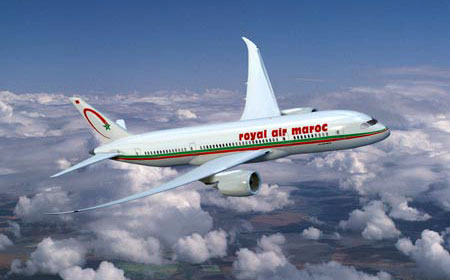
    More than 40 Airlines now fly to Morocco

    The airline sector in Morocco is a critical component of the nation’s economy. Without an improving airline industry, the country’s goal to attract some 10 million tourists in 2010 may be a big ask, but the deregulation of the sector means that such goal will likely be reached. For now, 40 airlines serve the Moroccan market and planners hope to triple both frequencies and capacity by 2010.


    Most major airlines fly to into Morocco including Royal Air Maroc, Emirates, British Airways, Lufthansa, KLM, Air France, Alitalia, Sabena and Swissair. There are also several budget and charter airlines operating from Europe to Morocco including Atlas Blue North Africa's first low cost airline.

    Other low cost airlines include Jet4U, Ryan Air, Thomsonfly, Easyjet, Air Berlin, Ltu, Jetonly, Star Arlines and Aigle Azur, just to name a few. See also our earlier story on the latest entrants in the cheap flights to Morocco stakes.

    If you want to fly direct from the US to Morocco your only option is Royal Air Moroc which has daily flights between New York and Casablanca. From far away destinations like Australia the cheapest and best value is Emirates with flights via Dubai to Casablanca. The View from Fez team fly Emirates!

    Tags:

    Moroccan media reform under the spotlight.

    At a time when major reforms of the media and press freedoms are underway, a Moroccan court has upheld a defamation fine that has been the cause of much dispute throughout the country. Sadly, this can seen as a case of the government attempting to intimidate the media, rather than a hangover from the old system - a system that is under review. An example of how this is being reported comes from Scheherezade Faramarzi writing in the Washington Post.

    Here is part of her article:


    An appeals court on Tuesday upheld record damages imposed on a weekly newsmagazine in a defamation suit that some rights groups say the government is using to intimidate independent media.

    A lower court ruled in February that Le Journal Hebdomadaire must pay damages of 3 million dirhams, or about $327,000, to the head of the European Strategic Intelligence and Security Center, a think tank in Brussels, Belgium. The court also fined the magazine $10,900.

    The head of the think tank, Claude Moniquet, argued the magazine defamed him and the institute by running an article that he said questioned the integrity of a study done by the center.

    Its study said the United Nations should drop efforts to hold an independence referendum for Western Sahara, a mineral-rich former Spanish territory seized by Morocco in 1974. The rebel Polisario Front waged a long desert war seeking to end the annexation and gain independence.

    The magazine said in December that the findings were so similar to official Morocco's views that it raised questions about whether the study was "guided by" and possibly paid for by the Moroccan government.

    The punitive damages against the weekly's publisher, Aboubakr Jamai, and writer Fahd Iraqi were the biggest ever given journalists in Morocco, leading rights groups to question whether the courts were trying to curb media from taking independent stances on important matters.

    "With this disproportionate sentence ... the judges are clearly trying to silence the journal," Reporters Without Borders said in a statement.

    The group said the magazine wasn't allowed to mount a proper defense. During the trial, the judge barred Le Journal Hebdomadaire from introducing an expert witness, prompting the magazine to withdraw from the proceedings in protest.

    The case was the latest example of often prickly relations between Morocco's journalists and officialdom that have arisen as the press has grown more vibrant since the ascent of King Mohammed VI to the throne in 1999.

    Full article here: Washington Post

    Another example of a commentator ignoring the progress being made is the article by Rashi Khilnani ( studied political science at McGill University, Canada, and international journalism at City University, London) READ IT HERE

    Tags:

    Tuesday, April 18, 2006

    Meknès housing receives major upgrade.


    Morocco has been putting a huge effort into slum clearance in recent years and the work is continuing. On Tuesday, HRH King Mohammed VI was briefed on details of the new urban upgrading program of the central town of Meknès that has been allotted close to MAD 415Mn (about USD 46Mn) to fight unhealthy housing.

    The program will provide housing to 48,000 people, including 40,000 living in slums. It consists in building new housing resorts to be called Yasmine, Ryad and Ouisslane (to relocate shantytowns inhabitants) and Al Bassatine, Amin and Ryad Zitoune.

    In a move to speed up the implementation of Meknès development project, a series of measures were taken, including the signing of an agreement with the Agency for Military Housing and Equipment to build houses for 1,703 families living in Army owned land. Some 625 Royal Armed Forces families have already been relocated part of the project.


    The Meknès urban development program revolve around three main axes, namely urban rehabilitation, unhealthy housing eradication and the building of new housing. The actions are also targeting the restoration of historical monuments, the creation of green spaces, road construction and the revamping of older houses.

    The 48,000 people to benefit from these housing projects represent 9% of Meknès population that counts some 600,000 inhabitants.

    Tags:

    Film industry project to boost Moroccan cinema

    Moroccan communication Minister, Nabil Benabdellah, announced on Tuesday that Morocco has made a new step toward having a new cinema and audio-visual industry through a project dubbed "Film Industry."

    The project will allow producing 30 films in 2006/07 by the national radio and TV company (SNRT) and Ali'n Production, with the aim of producing high quality movies at a low cost.

    Director of SNRT-SOREAD 2M, Faïçal Laâraïchi, said the project, worth MAD 36 million (USD 4mn), is a "qualitative progress in the audio-visual sector and cinema" and will allow having a genuine cinema industry in Morocco.

    The project, aimed partly at backing the national production, will also help fighting piracy since the films will be sold in VCD and DVD at a low cost, said Laâraïchi.

    Ali’n Production director, Nabil Ayouch, said "Film Industry" is not only a cinema project but it is also aimed at highlighting the Moroccan identity by drawing on the diversity of the Moroccan culture.

    The project also aspires to discover new talents (producers and actors) and to train youngsters in cinema-related jobs.

    OTHER FILM NEWS

    MEDA Films Development (MFD), a project initiated by Ali n' Productions in partnership with the Marrakech Film Festival Foundation, has selected 10 film projects for their 2006 film developing programme. MFD received 29 applications from all MEDA countries, except Syria.


    Nabil Ayouch (L), director of Ali n' Productions


    MFD, which is funded by the European Union-funded Euromed Audiovisual II programme, aims at promoting synergies between producers and scriptwriters of the MEDA countries (Algeria, Egypt, Israel, Jordan, Lebanon, Morocco, Palestine, Syria, Tunisia, and Turkey) and between MEDA and European producers.

    It also aims to boost cinematographic projects of the South Mediterranean countries.

    Nabil Ayouch, director of Ali n' Productions said earlier in a press conference that “in the MEDA countries, professionals of motion pictures face common problems in the development of cinematographic projects.”

    “These problems are essentially linked to the lack of training in both scriptwriting and film production. Therefore, training these professionals will eventually improve filmmaking projects in the MEDA countries.”

    The producers and scriptwriters who are selected will attend three workshop sessions a year, which will take place in April, July and October 2006 in Marrakech (Morocco).

    During the three sessions, the participants will have the opportunity to follow a number of rich and adapted activities fitting their specific needs.

    The major themes of the workshops will include scriptwriting, rights and contracts between the scriptwriters and producers, the producer's role, the artistic features of the filmmaking process, the marketing and communication aspect of the film, and the film distribution.

    The selected films included: Au bout du tunnel by Adlane Khodja and Anis Djaad (Algeria), Sense of Will by Nizar Yunès and Shady Srour (Israel),Temporarely Unsignified by Baher Agbaria and Juna Suleiman (Israel), Le Testament by Pierre Sarraf and Nadim Tabet (Lebanon), Un homme d'honneur by Michel Ghosn and Jean-Claude Codsi (Lebanon), Oum by Olga Nakkas (Lebanon), Dancing At The Check Point by Karma Abu Sharif and Ismaël Habbash (Palestine), Azrayl by Mohieddine Temimi and Semy El Haj (Tunisia), Revolutionist Youth Bridge by Selda Salman and Bahriye Kabadayi (Turkey), Elif by Devici Sadik and Voskay Sibel (Turkey)

    The Euromed Audiovisual II is a three year programme launched in January 2006 to contribute to mutual understanding between the peoples of the European Union and the South of the Mediterranean by underlining their common values and the cultural diversity of the Mediterranean region.

    The programme has been designed to constitute a process of experiences and know-how, to develop a better understanding through a higher diffusion of audiovisual productions between the two shores of the Mediterranean and to support the development of Mediterranean film projects

    Tags:

    Free choice in marriage gains support.

    While girls' marriages are still often arranged for her, attitudes are changing rapidly and now most Moroccans favour free choice by both partners. Other more traditional beliefs are still held, for example, marriage is highly valued and very much associated with procreation, so that marriage without children is almost unthinkable. The decision not to have children, that is becoming more common in other societies, has yet to take hold in Morocco and may be decades off.

    A total of 1,000 people, representing all the Moroccan regions, were questioned recently for a survey that looked at Moroccans attitudes to marriage. The research was carried out by a group from the Hassan II University of Mohammedia. The criteria for choosing the population surveyed were based on the place of residence (urban/rural), gender, age, marital status, educational level and profession.

    This national survey on Moroccan society's values concluded that more than 90% of Moroccans, men and women, favour marriage. Eighty five percent of them say it is preferable to marry before 25.

    Early marriage is associated with women and the late one with men. Most of the population said that over 25 is the ideal age for men to marry.

    By and large, the researchers reached a number of important conclusions concerning marriage, marital relations, and parental relations.

    They found that both men and women felt that the most desirable quality in the spouse is the “Maâqoul” (seriousness) and obedience counts a lot in marital relations.

    They also concluded that family solidarity enjoys a central position in Moroccans' lives. It is felt that old parents should be taken care of by their children and not by the state or charities.

    The survey was designed to come up with a general idea about Moroccan society's values, concerning mainly family, tradition, religion, politics, work and leisure.

    Earlier this year, Minister of Justice Mohamed Bouzoubaâ said that marriage rate increased by 3.48% between 2004 and 2005.

    In January 2004, the kingdom introduced important amendments to the family code with view to enhancing women and children rights, and reinforcing family ties.


    Tags:

    "Lose the burka or lose the dole" - Dutch Alderman.


    When a Dutch Alderman on the Amsterdam Council makes the suggestion that women who wear the burka women should lose unemployment benefit, we might well be outraged. On the other hand we might just put it down to the rising tide of Islamophobia in the Netherlands ,as we reported recently when commenting on the so-called "Civic Integration Test". The test, the first of its kind in the world and part of a broader policy on immigration, came into effect last month and includes the compulsary viewing of a film with scenes featuring gay men kissing and a topless sunbathing woman. See our earlier story here: Islamophobia Netherlands Style).

    More astonishing is the discovery that Amsterdam's Social Affairs Alderman is not some redneck rightwing racist, but a left wing Moroccan.


    Alderman Ahmed Aboutaleb, who was born in Beni Sidel in Morocco in 1961, claims that women who choose to wear the face-covering garment are hindering their ability to get work. Therefore they should not be automatically eligible for welfare payments.

    A member of Amsterdam's Labour Party , Aboutaleb said he did not object to the burka on principle, but that the government had a right to expect citizens take responsibility. "Nobody wants a an employee in a burka. In that case, I say: off with the burka and apply for work. If you don't want to do that, that's fine, but then you don't get a benefit payment".

    He was responding to the example of a ruling by the Equality Commission that backed a Muslim woman who refused to shake hands with men while working in education.

    Aboutaleb questioned whether such a woman was in the right line of work. "She has to realise her behaviour is building enormous obstacles for her in almost every situation. This woman must recognise that she is sidelining herself and that she runs the risk of being turned down for a job more often".

    Tags:

    Near East Foundation assists Morocco.


    Firewood ranks as the second largest source of fuel in Morocco. Despite harsh climates and other dangers, Moroccan girls as young as eight and women as old as 60 spend hours each day finding, collecting, and transporting firewood for cooking and heating. It's a time consuming and burdensome chore, particularly in rural areas where the land around villages gets picked clean. So the task takes ever more time, the distances to walk become longer, and the amount collected progressively less.

    According to a recent study covering the south of Ouarzazate Province where Near East Foundation works, women typically collect wood from 4 to 10 a.m., six months per year, traversing on average 15 kms per day, carrying between 20 and 30 kg of wood each, including young girls. Moreover, smoke from cook stoves causes illnesses, particularly eye disorders and respiratory problems. In addition, there are the obvious environmental problems for area woodlands.

    In short, daily collection of firewood constitutes the likely prime activity preventing young girls from attending school, diminishing the energy and enthusiasm of young mothers and girls for continuing education and self-improvement, and leading to their premature aging.

    FEMALE EDUCATION & LEADERSHIP

    It is in these same Berber villagers in the High Atlas Mountains of Morocco that NEF, in collaboration with the U.S. State Department's Middle East Partnership Initiative (MEPI), is promoting the value of education and encouraging school attendance, particularly for girls. To meet objectives NEF has organized local parent-teacher associations, adult literacy classes, and associated groups of rural women leaders actively encouraged to be involved in their communities.

    Naturally the NEF project also focuses attention on what inhibits female education and leadership, since the NEF program's success depends not only on changing people's perception of the importance of education, but also on identifying obstacles--like firewood collecting.

    AN ALTERNATIVE

    Based on previous NEF work with appropriate technologies for household use, fuel-efficient cook stoves and baking ovens have been tried and passed testing. Made from clay by trained local women, these simple appliances can significantly decrease wood consumption--by 50 to 60 percent; reduce the labor required to collect and transport wood fuel; and cut smoke emissions creating unhealthy conditions within the home. A win-win situation, fuel-efficient cook stoves safeguard the environment, reduce distances traveled to collect fuel, and prepare for sustainable forests in the future.

    NEF's interest in this and similar issues goes back to 1993 when we created an Appropriate Technology Training Center in partnership with the Ouarzazate Regional Agricultural Development Authority. The aim was development and promotion of technical solutions to the problems of poor village women in rural areas of southern Morocco--household energy/natural resource management, sustainable agriculture/food processing, water/health, and income-generation.

    By 1997 the center had moved beyond simple technical assistance into a more comprehensive program of support for local village associations, helping rural families to take control of their lives and change their communities for the better. NEF's current emphasis on female education and leadership is but the latest effort.

    Given our experience, NEF decided last year to provide fuel efficient cook stoves and baking ovens to interested villages within the education project area. To date 28 improved cook stoves and 28 baking ovens have been introduced in the seven villages where NEF is now working. They were made available to rural women leaders collaborating with our project, who were nominated by their peers, and trained to install and use these new technologies, collect data, and promote expanded use.

    FACTS & FIGURES

    According to NEF estimates, as much as 30,000-plus tons of wood can be saved each year in these seven villages alone and individual women and girls spared as much as 120 hours a year collecting firewood. Also, their kitchens will be cleaner, smoke free, and related health problems significantly reduced.

    Local women are excited about the new stoves, "I'm so happy that now my daughters will be able to protect their eyes. They need to be able to see if they want to learn how to have a better life," commented one, a sentiment echoed by many others.

    NEF now plans on working with these same women to expand the use of fuel efficient cook stoves in other project villages, which have increased from the original seven to 15 in the program's second year. While appliances are provided free to participating women leaders, individual householders purchase their stoves from the market with women leaders providing training based on their own experience. For its part, NEF will continue with follow-up and support.

    Next NEF hopes to establish income-generating projects with one or more PTAs within these communities. The plan is to have the PTAs distribute stoves through the network of women leaders, who also will promote the idea and train purchasers. Profits made from the sale of stoves will support local education, scholarships for secondary school attendance, adult literacy, and the repair and maintenance of local schools. Actualizing this plan will depend on funding availability.

    BIG SAVING FOR SMALL INVESTMENT

    Cook stoves sell for as little as $30 each and baking ovens for as little as $50. The $600 which provided most of the funding for them came from a North Carolina chef named Debrah Lovan, not incidentally, the sister of Roger Hardister, NEF's Regional Director for the Middle East, North Africa, and the Horn of Africa. She accompanied her brother on a project evaluation trip to Morocco, and this enterprise fit right in with her particular interests in food and women's issues, making her donation to Near East Foundation a very personal expression. When asked by a group of village women about gathering firewood for her own household, Ms. Lovan had to admit, the closest she had come to carrying firewood was using a wooden match to light her oven.

    YOU CAN HELP NOW!

    Please donate to support this work in MOROCCO and around the world at NEAR EAST FOUNDATION


    Tags: